
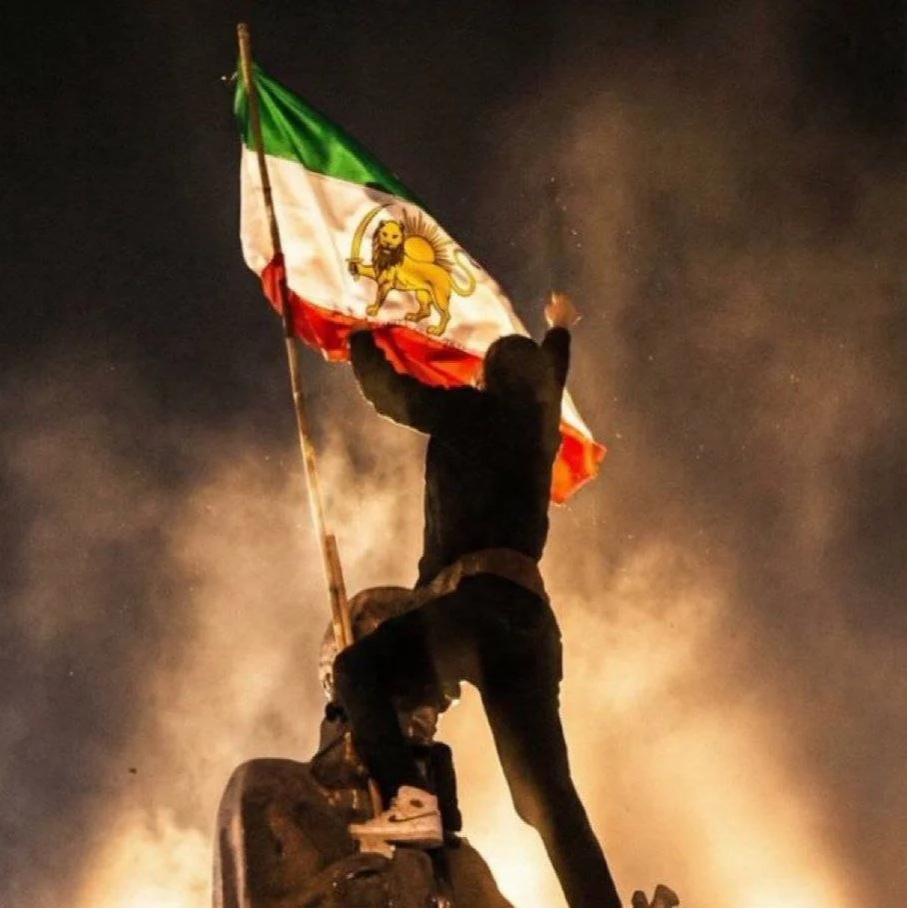
Transitional Vision for Iran
Responsible democratic transitions require preparation, stability, and a clear commitment to the will of the people. Crown Prince Reza Pahlavi has consistently emphasized that Iran’s future must be shaped through a lawful and transparent process that protects national unity while enabling citizens to freely determine their system of governance.
This transitional vision is grounded in the belief that lasting legitimacy can only come from the consent of the governed and that careful planning helps prevent instability during periods of historic change.
Guiding Principles
The proposed transition framework is guided by core principles intended to safeguard the country while creating the conditions necessary for democratic development.
Stability and Order
Maintaining public calm and preventing institutional disruption are essential to ensuring a responsible transition.Territorial Integrity
Preserving Iran’s sovereignty and national unity remains a foundational priority throughout any period of transformation.Rule of Law
Establishing transparent legal processes helps build public trust and reinforces accountability.Protection of Citizens
Safeguarding the rights, safety, and dignity of all individuals is central to a sustainable democratic future.Institutional Continuity
Ensuring that essential state functions remain operational supports economic stability and public confidence.Democratic Legitimacy
The ultimate authority regarding Iran’s political structure rests with its people.
Early Phase Priorities
Periods of national transition require immediate and coordinated action to support stability and continuity. Early-phase planning efforts have identified several priority areas designed to help the country navigate the initial stages of transformation responsibly.
Key priorities include maintaining essential public services such as healthcare, utilities, and communications, securing critical infrastructure, supporting economic functionality, and encouraging cooperation across civil and professional institutions to serve the national interest.
Additional considerations include the release of political prisoners, the protection of civil liberties, and the establishment of an interim administrative framework composed of qualified professionals tasked with managing the transition responsibly rather than exercising permanent authority.
These measures are intended to reduce uncertainty while creating the space necessary for democratic processes to move forward.
Commitment to a National Referendum
A central pillar of this vision is the commitment to a free and transparent national referendum through which the Iranian people can determine their preferred system of governance.
Crown Prince Reza Pahlavi has repeatedly stated that no individual has the right to impose a political model on the country and that the legitimacy of any future government must derive directly from the vote of its citizens.
In this framework, the role of transitional leadership is not to define the outcome, but to help create the conditions in which a credible and inclusive democratic process can take place.
Why Preparation Matters
Modern history has demonstrated that transitions lacking preparation often face prolonged instability. Thoughtful planning helps nations preserve public order, protect economic foundations, and build confidence during uncertain moments.
By supporting expert-driven initiatives and transitional frameworks, this vision reflects a forward-looking approach focused on responsible governance, institutional resilience, and long-term national prosperity.
Preparation is not simply a strategic advantage. It is a safeguard for the country’s future.
Looking Ahead
A stable transition creates the opportunity for renewal, one defined by accountable leadership, economic opportunity, and respect for fundamental rights.
This vision reflects an ongoing commitment to helping Iran move toward a future shaped by its citizens, supported by careful planning, and grounded in democratic principles.